Buying a type beat outright beats leasing when you need cleared, untagged stems for release
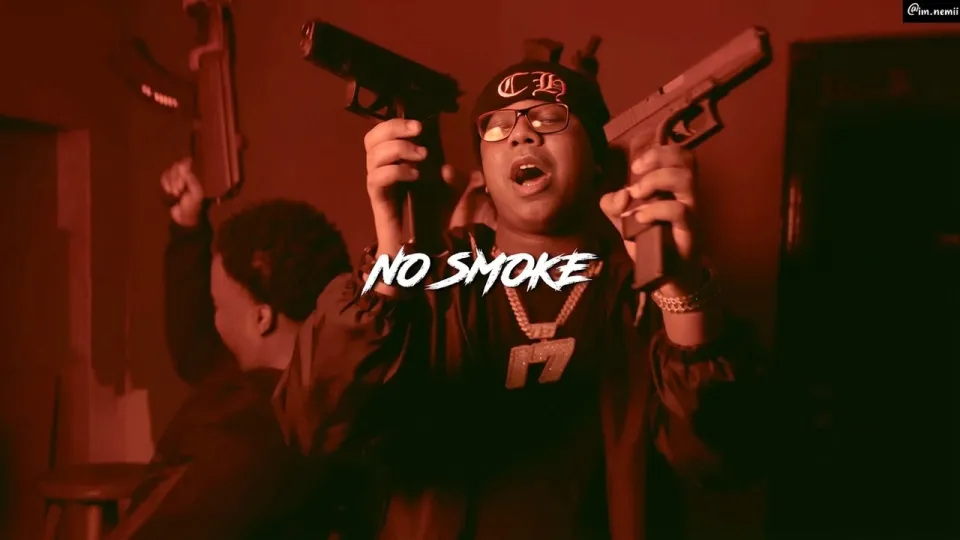
Video: [Hard] VonOff1700 Type Beat - “No Smoke” | Chicago Type Beat 2026
You can order the same kind of articles for your own video to boost it on YouTube and Google. Just message the Telegram bot @sat_sit_bot. Articles with your video embedded are written and posted by the bot itself — on popular topical sites (no ads). Try it free: 50 articles on us.
· based on the channel Nemii
Key takeaways
- A type beat is an original instrumental written in the style of a specific artist, not a stolen or re-tagged song.
- Nemii's "No Smoke" is a VonOff1700-style Chicago drill beat published on 20 June 2026 and is not free for release.
- Untagged high-quality files sit behind a paid license; the producer's storefront runs a Buy 2 Get 1 Free offer.
- Typical drill sits between roughly 130 and 145 BPM with a half-time feel, so 65–72 BPM counting works too.
- Exclusive and custom work is handled by direct contact, and the producer explicitly does not accept unsolicited loops.
A type beat is an original instrumental built in the style of a specific artist so that a rapper can record over a familiar sonic template without touching anyone's copyright. If you want a VonOff1700-style Chicago drill track, the practical answer is: pick the instrumental that matches your vocal pocket, then buy the untagged license before you publish, because a tagged free download cannot be released commercially. Nemii's "No Smoke" is one such beat, and its licensing page is the place to start if you plan to distribute.
What a type beat actually is and why the label matters
A type beat is a beat made from scratch by a producer who borrows the tempo, drum palette and mood associated with a known artist, while the underlying composition stays the producer's own work. The phrase describes a style reference, not a sample clearance shortcut. That distinction is the whole reason the market exists: an unsigned rapper can buy a beat that sounds like the records they already like, and the producer keeps the copyright.
In Chicago drill, the reference points are specific. The tags on "No Smoke" point at VonOff1700, Bloodhound Q50, Screwly G, Lil Speedy, Rell Vert, Chuckyy, FullyChop and Lil Scoom89, which tells you what the beat is aiming at: sparse, menacing, drum-forward, with a dark melodic loop on top. If your writing style leans on short, punchy bars and ad-lib space, that template fits. If you write long, dense verses, it will fight you.
Three things separate a usable type beat from a random loop pack upload:
- Structure — intro, verse loops, a hook section and a switch or drop, so you can arrange a full song without editing the beat yourself.
- Headroom — the mix leaves space in the midrange for a vocal, rather than filling every frequency with melody.
- Clear licensing — a written statement of what you can and cannot do with the file.
Licensing options for a Chicago drill type beat
The licensing page for "No Smoke" is the entry point for anyone who wants to use the beat legally, and the producer states plainly that it is not a free beat to rap on for release. That is normal for the type beat market and worth understanding before you fall in love with an instrumental.
Most producers in this space run a two-tier model. A lease grants limited rights — typically a capped number of distributed copies or streams, non-exclusive use, and sometimes a tag left in the file. An exclusive sale transfers sole use of that beat to one buyer, often with the untagged master and stem files, and the beat is then pulled from sale. Nemii's storefront offers high-quality untagged files through the paid license and runs a Buy 2 Get 1 Free promotion, which is a common way producers push catalogue depth rather than single sales.
A simple decision path:
- Recording a demo or freestyle for social clips: a tagged version is fine, but check the terms before monetising anything.
- Releasing to streaming platforms: buy the lease, keep the receipt, and register the release with the producer's credit exactly as the license requires.
- Building a project around one sound: ask about exclusives directly, because the beat may already be gone.
Custom work goes through direct contact with the producer, and the contact notes explicitly ask that you do not send loops. That is a small but telling detail: the production is self-contained, and unsolicited sample packs are not part of the workflow.
Reading the beat: tempo, drums and arrangement
Chicago drill instrumentals generally sit in the 130–145 BPM range, or half that if you count the feel at 65–72 BPM, with snares landing on the third beat of a four-beat bar and sliding 808s underneath. That half-time feel is why drill vocals sound unhurried even when the track is fast on paper. When you audition a type beat, tap along first and check whether your natural cadence lands on the snare or between it — that single test saves hours of wasted recording.
The other thing to listen for is arrangement space. A hard drill beat earns its aggression from contrast: a stripped intro, a loop that enters with the drums, and a hook section that either drops the melody or doubles the low end. If the loop plays unchanged for three minutes, you will run out of places to put a verse.
For a VonOff1700-style record specifically, the vocal is usually front-footed and conversational, closer to spoken pressure than melodic singing. That means the beat needs a clean centre channel and a loop that does not crowd the 1–4 kHz range where consonants live. Producers who understand this leave the melody slightly duller than it could be — it sounds less impressive solo and much better under a vocal.
Common questions from rappers before they buy
A few doubts come up again and again around drill type beats, and they are worth answering directly because they decide whether a purchase is wasted money.
"Will my song sound like a copy?" Only if you copy the flow. The beat is a template; the record is your cadence, your ad-libs and your writing. Producers deliberately avoid recreating a specific song's melody, so the result sits in a style, not in a lawsuit.
"Can I upload it to streaming platforms?" Yes, under the license you buy — not under a free download. Keep the order confirmation, credit the producer as the license specifies, and check whether your tier caps distribution numbers or monetised video use.
"What if someone else uses the same beat?" On a lease, that is expected and permitted. If that bothers you, exclusives exist precisely for that reason, and they cost accordingly.
"Is the free version good enough to test?" For writing and demoing, yes. For releasing, no. The tagged file and the restricted terms are the trade-off for not paying.
There is also an honest craft question underneath all of this — whether a beat is actually good enough for your record. The useful test is to record a 16 over it, listen back on phone speakers, and ask whether the drums still hit. If they disappear, the mix was built for headphones rather than for how people actually listen.
Where to find the beat and the producer
All the relevant pages for "No Smoke" are collected here so you can check licensing, catalogue and contact in one pass:
- Licensing and lease purchase: https://bsta.rs/Hxl2S2
- Untagged high-quality files, Buy 2 Get 1 Free: https://bsta.rs/fCVYYX
- Producer contact and coupon codes on Instagram: https://www.instagram.com/im.nemii/
- Full beat catalogue: https://nemiiofficial.com
Email contact is also listed for custom beats and exclusives, with the explicit note not to send loops. If you are shopping across multiple drill producers, compare what each license actually grants — number of streams, music video rights, whether stems are included — rather than comparing headline prices, because the cheapest lease is often the most restrictive.
Conclusion
A type beat is a licensing product first and a creative tool second, and the Chicago drill scene runs on that model. Nemii's "No Smoke" shows the standard shape of it: a VonOff1700-referenced instrumental, a paid untagged license, a bundle promotion and a direct line for exclusives. If the beat fits your cadence, buy the license you actually need and keep the paperwork — then the only thing left to worry about is the writing. Start with the "No Smoke" licensing page to see the terms, and check the rest of the catalogue on nemiiofficial.com before you commit to a bundle.
Source: [Hard] VonOff1700 Type Beat - “No Smoke” | Chicago Type Beat 2026 · Markdown version
Questions & answers
Can I release a song on a free type beat download?
Not legally for commercial release. Free downloads usually come tagged and with restricted terms that cover demos and practice only. To distribute to streaming platforms or monetise a video, you need the lease or exclusive license attached to that specific beat, plus the receipt and the credit line the license requires.
How do I know if a drill type beat suits my voice?
Record a short verse over it and listen on phone speakers as well as headphones. Drill usually sits around 130–145 BPM with a half-time feel, so your cadence should land comfortably against the snare rather than being forced. If the drums vanish on small speakers or the melody crowds your consonants, the mix is not leaving room for a vocal.
What is the difference between a lease and an exclusive on a type beat?
A lease is non-exclusive: you get limited rights, often with caps on distribution or streams, and the producer can sell the same beat to others. An exclusive transfers sole use to you, typically with untagged files and stems, and the beat is removed from sale afterwards. Exclusives cost more and are arranged directly with the producer.
Can I ask a producer to make a custom beat in this style?
Yes, custom and exclusive work is normally handled through direct contact such as Instagram or email. Come with a clear reference for tempo and mood rather than a request to copy a specific song, and check the producer's submission rules first — some, like Nemii, explicitly ask that you do not send loops.